
What Are Fungi? Understanding the Fungal Kingdom

Fungi aren’t plants.
They aren’t animals either.
They’re their own kingdom—and they do a lot of the planet’s breakdown and cleanup work.
Most people only notice fungi when a mushroom pops up, or when leftovers turn fuzzy. That’s like judging an iceberg by the tip. The main body is usually out of sight.
Quick answer
Fungi are organisms that get energy by breaking down material outside their bodies and absorbing the nutrients. Many grow as microscopic threads (hyphae) that weave into a larger body (mycelium). Some species build a fruiting body—often a mushroom—to release spores.
If you’re asking, “So what is the fungus here?” the answer is usually: the part you can’t see yet.
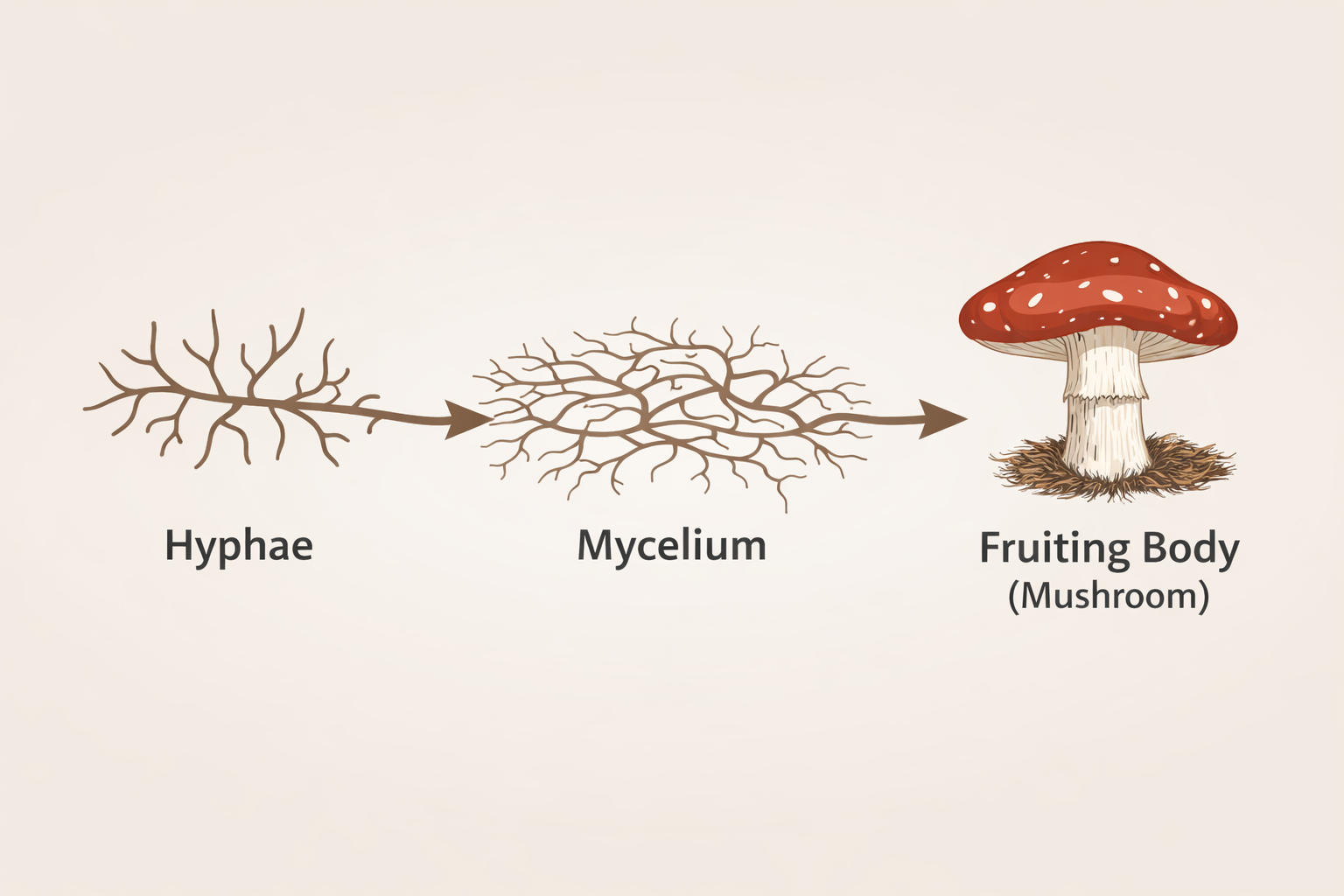
Table of contents
What makes a fungus a fungus
Why fungi aren’t plants
Hyphae, mycelium, mushrooms
How fungi eat
How fungi reproduce
Mold vs yeast vs mushrooms
Why fungi matter
FAQ
What makes a fungus a fungus
A fungus is a eukaryotic organism that feeds by secreting enzymes into its surroundings and then absorbing the smaller molecules that result.
That’s the core strategy. UC Berkeley’s UCMP describes fungal hyphae releasing digestive enzymes into a substrate and then absorbing nutrients from it. That “enzyme first, absorb second” move is why fungi thrive anywhere there’s organic material to work on.
Why fungi aren’t plants
Fungi got lumped in with plants for a long time because they don’t run around like animals. But the similarities end fast.
Plants make food with sunlight.
Fungi don’t. They’re not photosynthetic.
Animals take food inside and digest it.
Fungi usually digest outside the body, then absorb.
There’s also a structural clue: many fungi build cell walls that include chitin, a tough material also found in many animal exoskeletons. Britannica notes chitin as a common feature of fungal cell walls.
This doesn’t mean fungi are “basically animals.” It means they’re built differently than plants.
Hyphae, mycelium, mushrooms
If you want fungi to make sense, learn two words:
Hyphae: tiny filaments, like living threads.
Mycelium: the network made of hyphae.
Britannica and UCMP both describe the typical fungal body as a branching mass of hyphae—the mycelium.
Here’s a real-world moment where it clicks: after rain, flip a rotting log or peel back bark. Sometimes you’ll see white threads or mats running through the wood. That’s mycelium.
Now the piece most people miss:
A mushroom is usually not “the fungus.” It’s a reproductive structure.
Think “apple,” not “tree.” The organism is the hidden network. The mushroom is a temporary build meant to spread spores.
Not all fungi make mushrooms, but many have some kind of fruiting body. The job is the same: reproduction.
How fungi eat
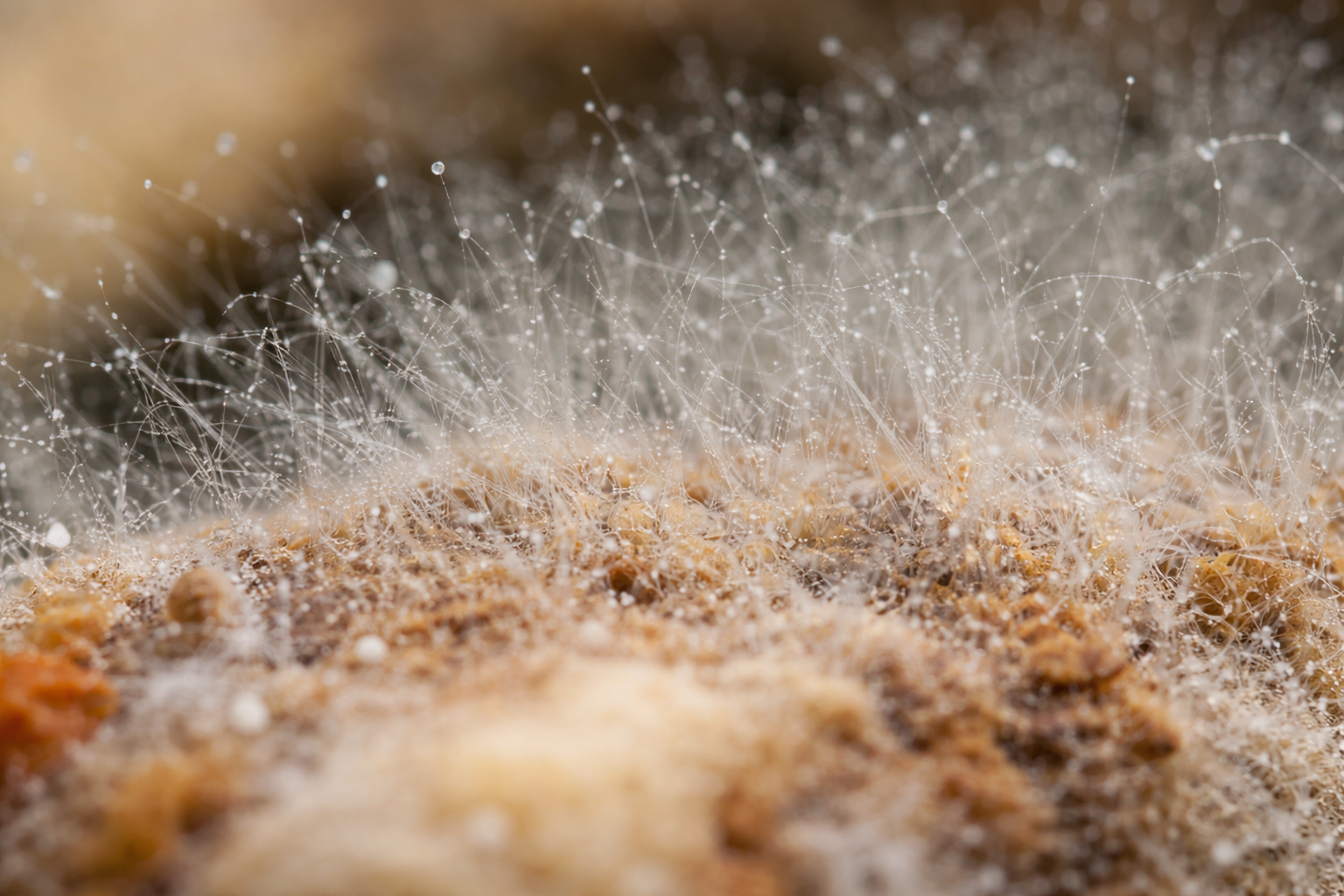
Fungi don’t have mouths. They grow into food and process it where it sits.
The fungus grows through or across a material.
It releases enzymes into that material.
Those enzymes break big molecules into smaller ones.
The fungus absorbs what it can use through the hyphae.
UCMP explains this enzyme secretion and absorption as a basic part of fungal life history.
This is why fungi are strong decomposers. Hyphae create a massive surface area, which means lots of contact and lots of enzyme action.
And no—fungi aren’t “eating dirt.” They’re breaking down organic material in the dirt.
How fungi reproduce

Many fungi reproduce using spores. Spores are small reproductive units that can move through wind, water, animals, and contact. Britannica describes spores as central to fungal reproduction and spread.
People call spores “seeds,” but they’re not the same thing. Seeds are a plant embryo plus stored fuel. Spores are typically simpler; their advantage is dispersal and numbers.
That’s why mushrooms can drop staggering amounts of spores. It’s not drama. It’s strategy.
Mold vs yeast vs mushrooms
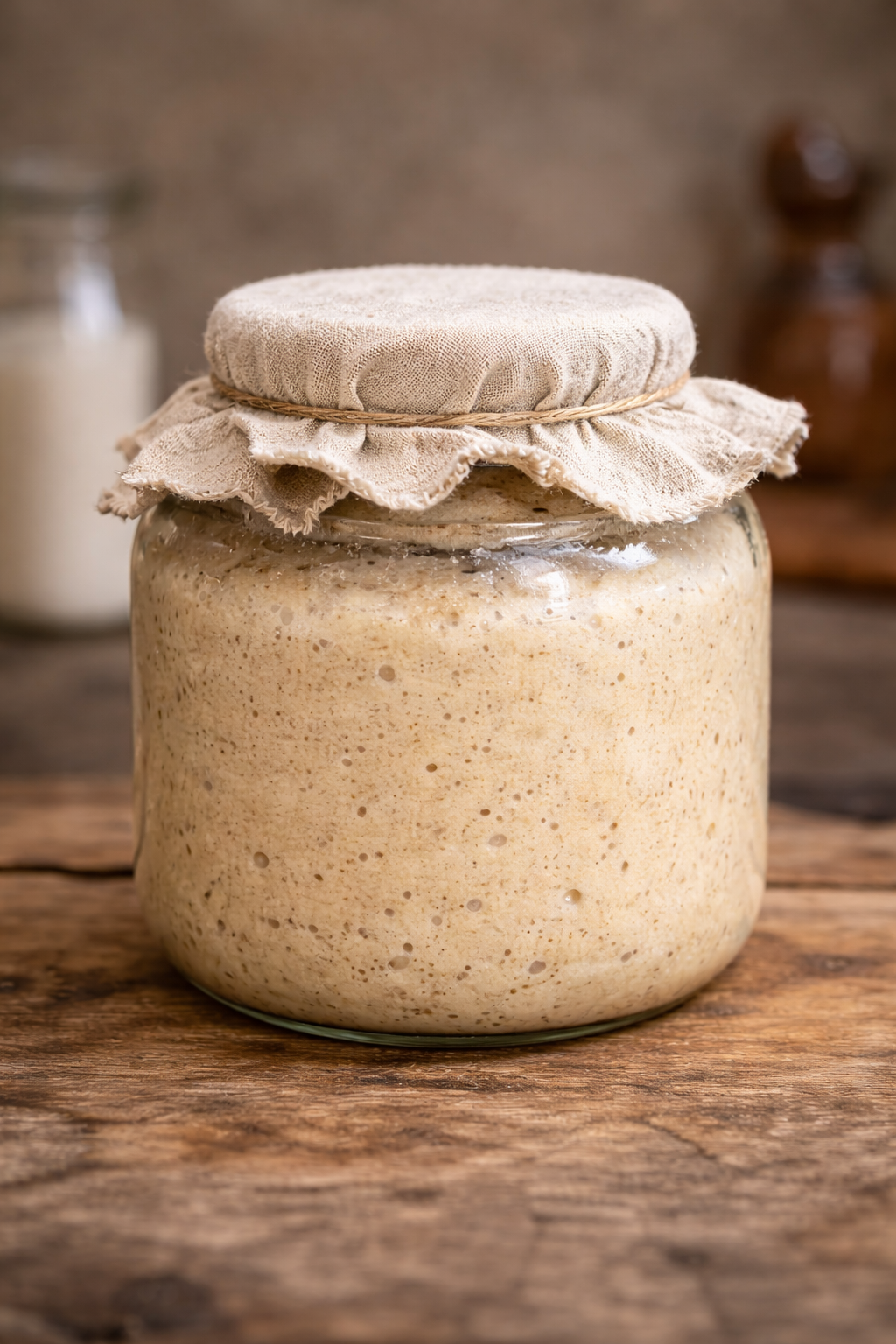
“Mold,” “yeast,” and “mushroom” are everyday names for fungi in different forms.
Molds grow as spreading hyphae and form visible colonies—often fuzzy or powdery.
Yeasts are fungi that usually live as single cells; they’re key to fermentation (bread, beer, wine).
Mushrooms are fruiting bodies—structures some fungi build to release spores.
Same kingdom. Different shapes. Different jobs.
Why fungi matter
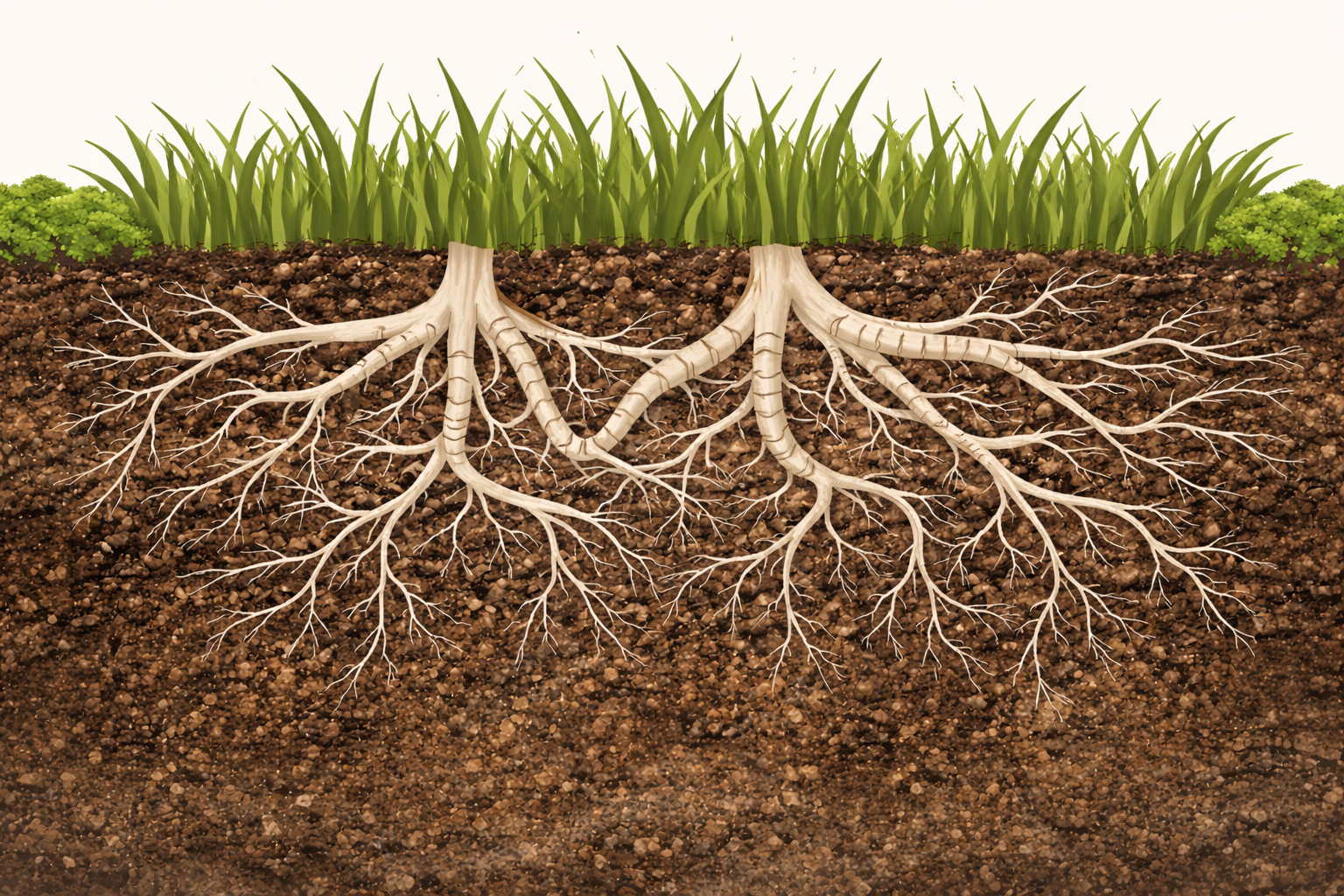
Fungi do three big things in ecosystems:
Decomposition
They help break down dead organic matter and recycle nutrients. Britannica highlights fungi as major decomposers and key to nutrient cycling.
Partnerships with plants
Many fungi connect with plant roots in mycorrhizal relationships. Kew describes these partnerships as widespread and important for plant nutrition and soil function.
This doesn’t mean fungi “help plants” as a cute bonus. In many habitats, it’s part of how plants survive.
Disease (sometimes)
Some fungi cause disease in plants and animals, including humans. The CDC notes that common fungal diseases include ringworm and yeast infections, and that some fungal infections can be serious—especially for people with weakened immune systems.
Two things can be true:
A small slice of fungi can cause real harm in the wrong context.
Most fungi are not a problem for most people most of the time.
FAQ
Are fungi plants?
No. They don’t photosynthesize, and they feed by external digestion followed by absorption.
Are fungi animals?
No. They’re a separate kingdom with a different body plan and feeding strategy.
Are mushrooms fungi?
Yes. Mushrooms are usually the reproductive structures of fungi. The main body is typically the mycelium.
What is mycelium?
Mycelium is the network of hyphae that makes up the main body of many fungi.
What are hyphae?
Hyphae are thread-like filaments fungi grow with.
How do fungi eat?
They release enzymes into their surroundings to break material down, then absorb nutrients through their hyphae.
Is mold a fungus?
Yes. Mold is a common name for fungi that grow as spreading colonies.
Is yeast a fungus?
Yes. Yeasts are fungi, often single-celled, and widely used in fermentation.
The takeaway
Fungi are the hidden networks that break things down, move nutrients, and reshape the ground under your feet.
Mushrooms are just the part you notice.
Sources
UC Museum of Paleontology (UC Berkeley): https://ucmp.berkeley.edu/fungi/fungilh.html
UC Museum of Paleontology (UC Berkeley): https://ucmp.berkeley.edu/fungi/fungimm.html
American Society for Microbiology: https://asm.org/articles/2021/january/three-reasons-fungi-are-not-plants
Encyclopaedia Britannica (Form and function of fungi): https://www.britannica.com/science/fungus/Form-and-function-of-fungi
Encyclopaedia Britannica (Importance of fungi): https://www.britannica.com/science/fungus/Importance-of-fungi
Royal Botanic Gardens, Kew (mycorrhizal fungi): https://www.kew.org/read-and-watch/mycorrhizal-fungi-dig-deeper
CDC (About fungal diseases): https://www.cdc.gov/fungal/about/index.html